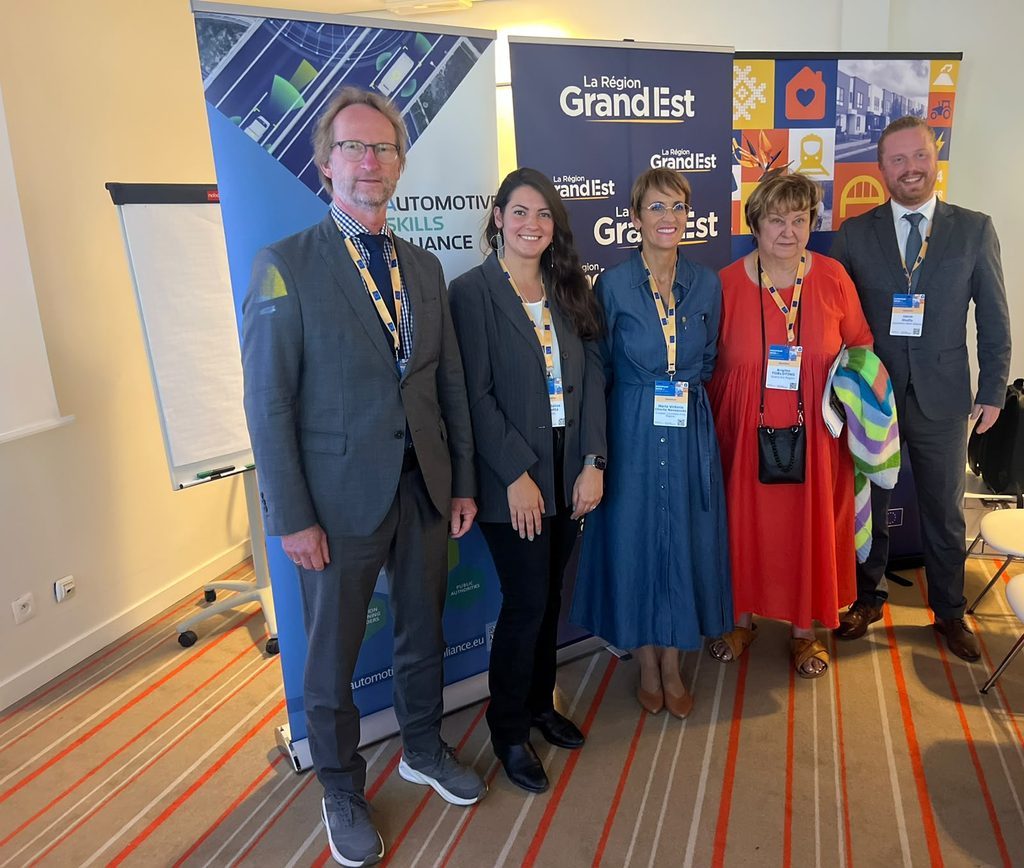
Brussels, 14 October 2026. On Wednesday, at the European Week of Regions and Cities in Brussels, EU policymakers, regions, industry and education stakeholders came together to discuss the question of skills in Europe’s automotive future. The session, “Driving change: Empowering talent in the automotive sector,” was a policy debate co-organised by the Automotive Skills Alliance and the Automotive Regions Alliance, chaired by the Grand Est Region.
A sector in transformation
Europe’s automotive industry faces deep, simultaneous change from electrification, digitalisation, new value chains and global competition. These changes are reshaping what workers need to know. Upskilling and reskilling pathways are central to Europe’s competitiveness and to the regions where automotive jobs are concentrated.
The discussion made one thing clear: regions are not only affected by this change, they are driving it. Interregional cooperation and local actions aligned with the Union of Skills priorities are already turning EU strategies into real measures on the ground.
Voices from the panel
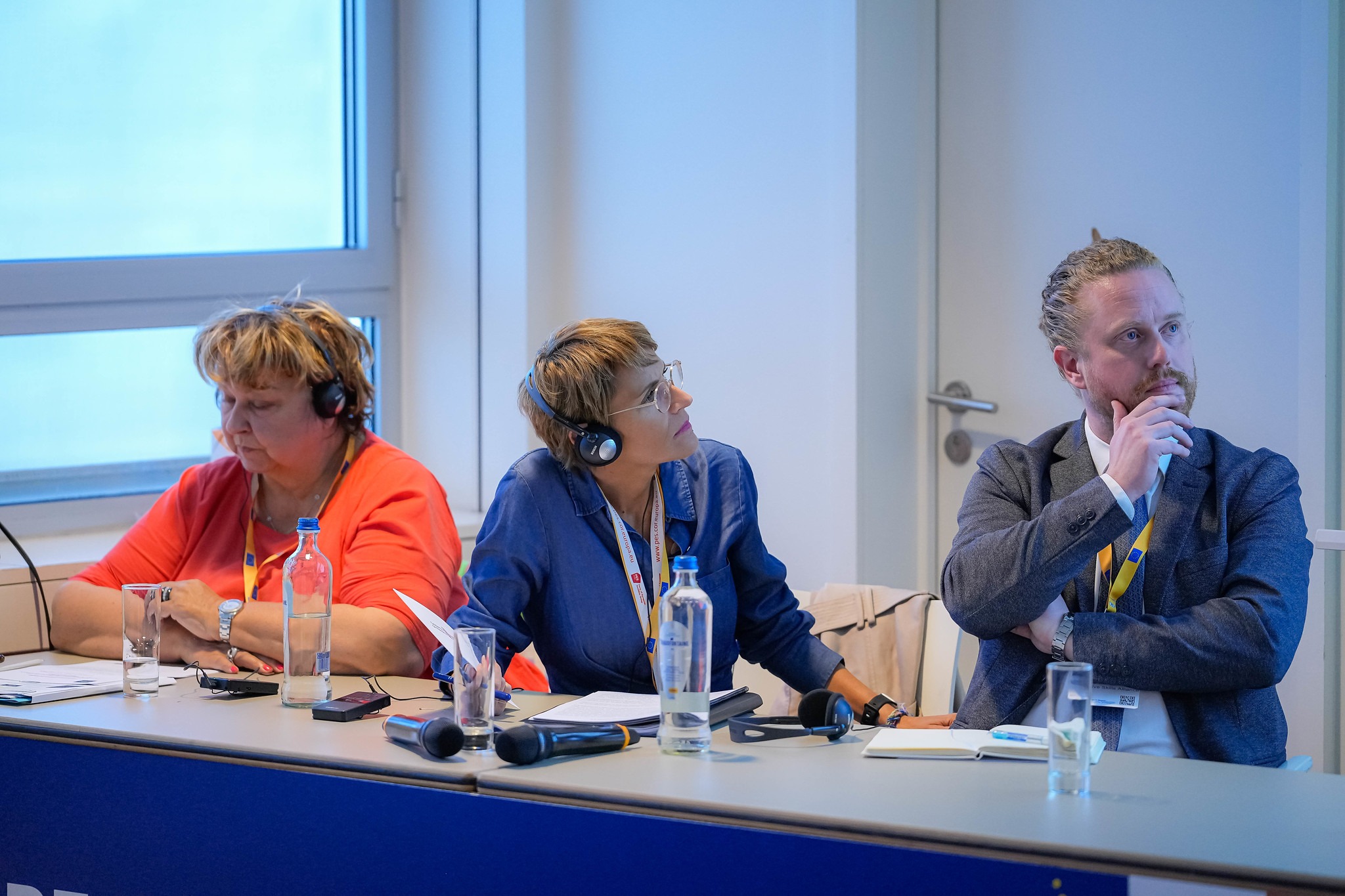
The panel brought together regional, European and industry perspectives:
- Brigitte Torloting, Vice-President of the Grand Est Region
- Felix Rohn, Policy Officer, European Commission (DG Employment, Social Affairs and Inclusion)
- Maria Victoria Chivite Navascués, President of the Government of Navarra
- Jakub Stolfa, President of the Automotive Skills Alliance
Our President Jakub Stolfa shared the Automotive Skills Alliance perspective:
“We must support workers through restructuring, but equally invest in the skills and capabilities that will keep automotive innovation and production in Europe. Build on what already exists, connect what works, align our efforts, and turn project-based cooperation into lasting, systemic collaboration. That is how we can turn the Union of Skills from a European ambition into a reality on the ground, in Europe’s regions.”
From projects to lasting collaboration
A clear message from the debate was that Europe does not need to start from scratch. Many partnerships, pilots and regional initiatives are already delivering results. The next step is to connect them, scale what works and make cooperation between regions, industry, education providers and EU institutions structural rather than project-based. The Automotive Skills Alliance will keep working with its partners to do this.