
The future of Europe’s automotive sector was at the centre of discussions in Brussels during the CLEPA General Assembly and the following Members Day, which brought together industry leaders, associations, and EU representatives to reflect on the challenges and opportunities facing the sector.
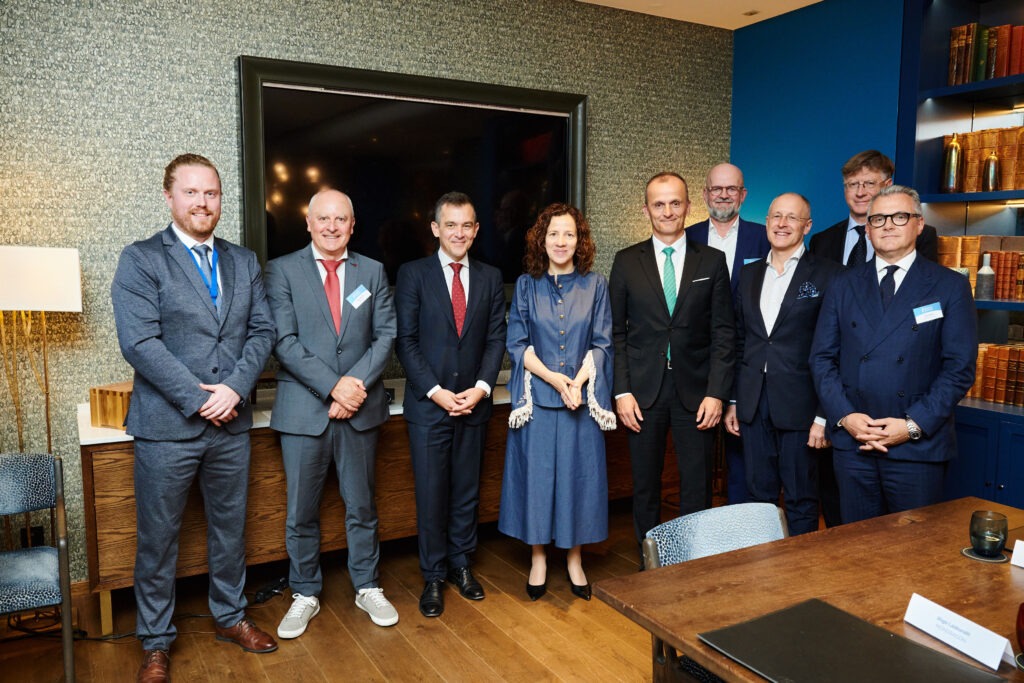
At the General Assembly, participants focused on how to maintain the competitiveness of European manufacturing while supporting workers and protecting jobs during a period of rapid industrial transformation. According to CLEPA, the event gathered more than 100 participants from national associations, corporate members, and EU institutions. A key moment of the day was the exchange with European Commission Executive Vice-President Roxana Mînzatu, who underlined that Europe’s industrial competitiveness ultimately depends on its people and on ensuring that workers have the right skills and opportunities to adapt to change.
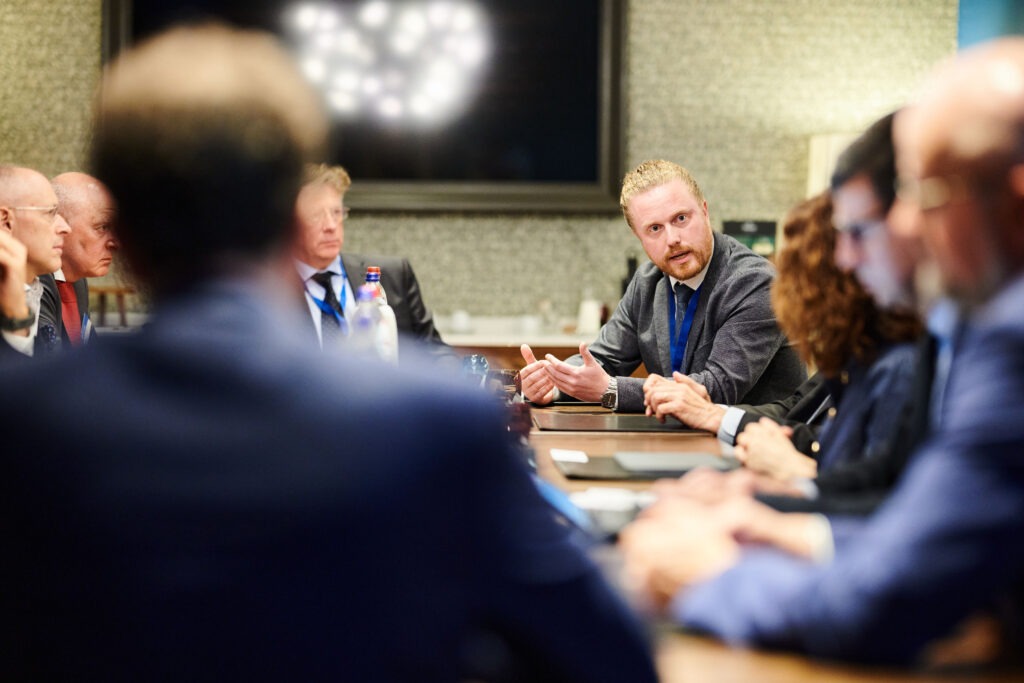
The discussions reflected the difficult context currently facing the automotive supply industry, including economic pressure, international competition, weak market demand, and the broader challenge of balancing decarbonisation with industrial resilience. CLEPA President Matthias Zink stressed the need for a transition that remains both ambitious and economically sustainable, while CLEPA Secretary General Benjamin Krieger called for policy conditions that support European value creation, resilient supply chains, and continued investment in cleaner mobility.
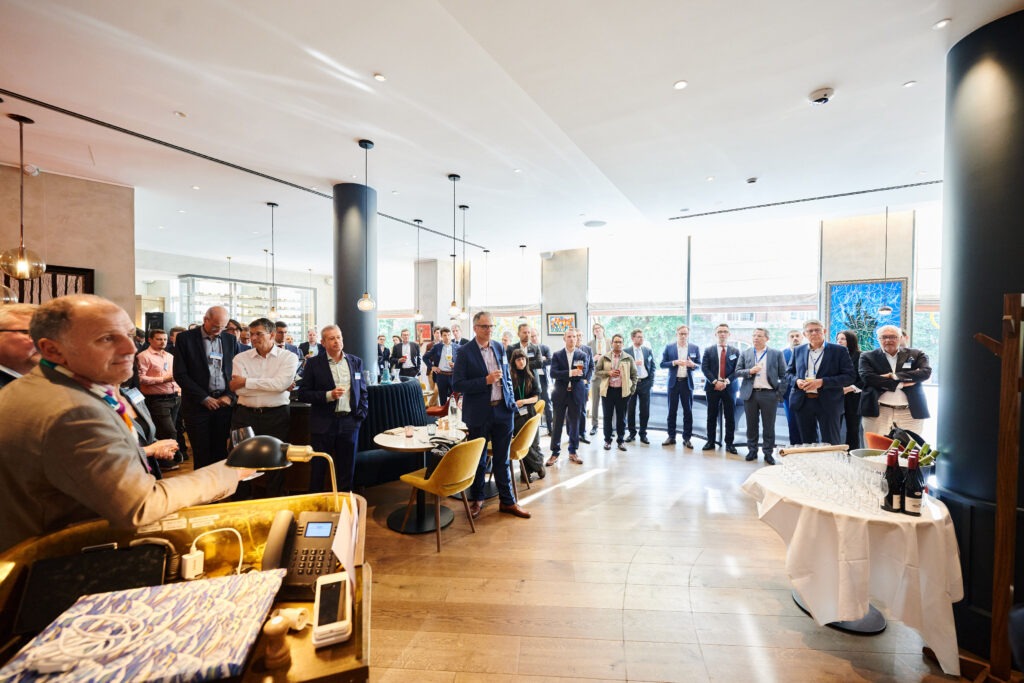
These themes continued into CLEPA’s Members Day, where ASA President Jakub Stolfa contributed to the discussion by highlighting the growing importance of skills for the sector’s future. In his remarks, he emphasized that having the right skills is essential to support innovation and help the automotive ecosystem respond to ongoing technological and industrial change.
He also presented ASA’s role in addressing the fragmentation of skills and training initiatives, helping to connect stakeholders and promote a more coordinated approach across the sector. In this context, he pointed to the need for a clear sectoral skills strategy, alongside concrete steps for implementation that can better align education, training, and industry needs.
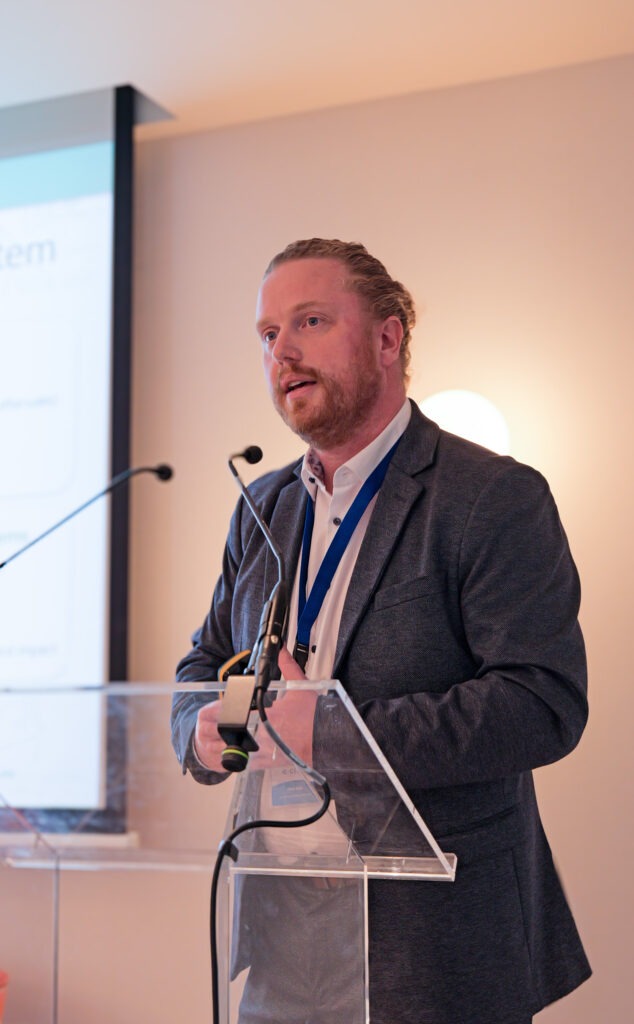
A further key point in his intervention was the need to work jointly on the attractiveness of STEM education and on promoting careers in the automotive sector. As the industry is increasingly shaped by developments such as connected, cooperative and automated mobility (CCAM), software-defined vehicles (SDVs), and other major transformations, strengthening talent pipelines and making the sector more attractive to future workers will be essential.
Together, the two days in Brussels showed that Europe’s automotive transition is not only about technology and regulation, but also about people, skills, and cooperation across the ecosystem. For ASA, this remains a central priority in supporting a competitive, innovative, and socially sustainable automotive future.
Photography Source: @CLEPA